

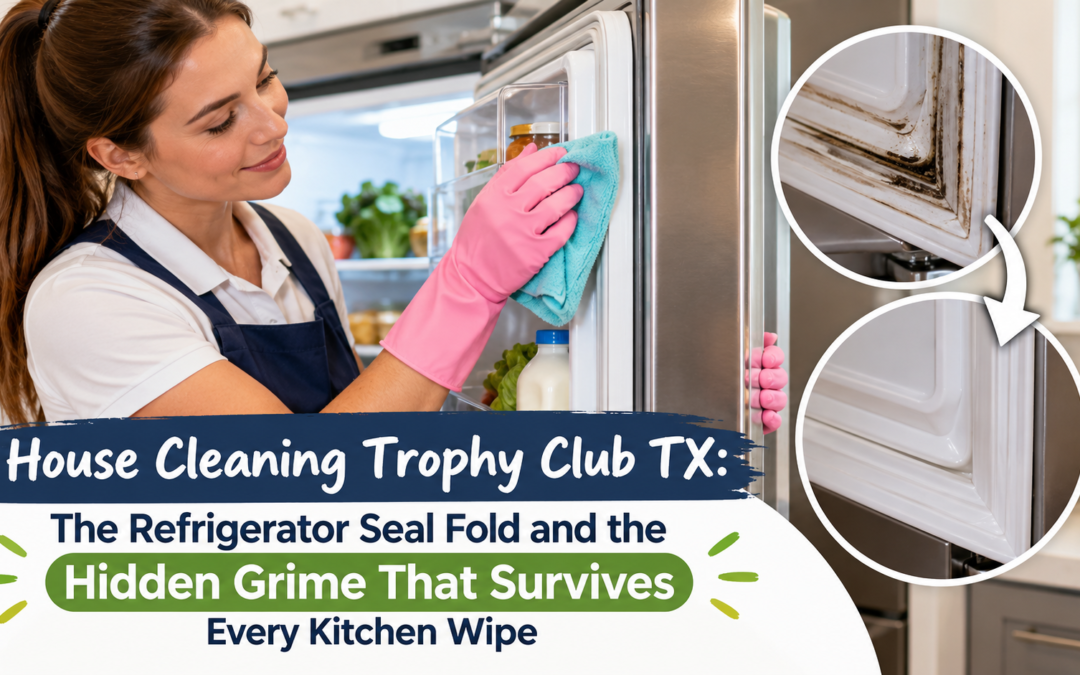
A kitchen can look spotless while hidden dirt continues to collect in places that rarely receive attention. One common example is the rubber gasket around a refrigerator door. Although homeowners regularly wipe countertops, cabinet fronts, and appliance handles, the narrow folds of the refrigerator seal often remain untouched. Crumbs, sticky food residue, moisture, and everyday debris can accumulate in these creases, making them an overlooked part of routine kitchen maintenance. For homeowners looking for House Cleaning Trophy Club TX, understanding these hidden areas can make a meaningful difference in maintaining a cleaner, fresher kitchen.
Refrigerator door seals serve an important purpose. They help keep cold air inside the appliance and prevent warm air from entering. However, their flexible design includes grooves and folds that can trap small particles and moisture. A quick pass with a kitchen cloth may clean the visible surface without reaching the areas where grime collects.
The good news is that cleaning refrigerator seals does not require complicated tools or harsh chemicals. With a gentle technique, careful drying, and consistent maintenance, homeowners can keep these areas cleaner while protecting the gasket’s condition.
Why the Refrigerator Seal Fold Is Easy to Miss
Refrigerator gaskets are designed to create a tight seal between the refrigerator door and the appliance cabinet. Their flexible material allows the door to close securely, but the same flexibility creates small grooves where debris can become trapped.
When homeowners wipe the refrigerator door, they usually focus on fingerprints, spills, and visible marks. The gasket may receive a quick wipe along its outer edge, leaving its inner folds untouched.
This creates a familiar cleaning problem: the kitchen looks clean, but a closer inspection reveals residue hiding just beyond the surface.
Crumbs and Food Particles Get Trapped in the Folds
Small crumbs can fall from food containers, packaging, and shelves when refrigerator doors open and close. Some particles become lodged in the lower folds of the gasket, especially near the corners and bottom edge.
These crumbs may be difficult to notice unless the seal is gently opened for inspection. When left undisturbed, they can mix with moisture and sticky residue, creating a buildup that becomes harder to remove during ordinary cleaning.
Sticky Residue Attracts More Dirt
Spilled juice, sauces, milk, and other food products can leave a thin film around the refrigerator opening. Even when a spill appears minor, small amounts of residue may reach the gasket.
Sticky surfaces tend to hold onto dust, crumbs, and other debris. As a result, a seal that initially contains only a small spill can gradually collect additional grime.
This is one reason a quick kitchen wipe may not produce the results homeowners expect. Removing visible marks does not always mean removing the residue hidden inside the gasket’s folds.
Moisture Can Remain in Hidden Creases
Moisture may collect around refrigerator seals after spills, condensation, or routine cleaning. If the folds are not dried properly, damp areas can remain hidden even after the surrounding surface looks dry.
Moisture combined with food residue can create conditions that encourage unwanted microbial growth. Regular inspection and thorough drying help reduce this risk and keep the gasket in better condition.
For households maintaining a regular House Cleaning Trophy Club TX routine, this small maintenance step can help prevent hidden buildup from becoming a recurring problem.
Why Ordinary Kitchen Wiping Often Fails
A standard cleaning cloth works well on broad, flat surfaces. Refrigerator gaskets, however, require a slightly different approach because their folds and corners are not easily reached with a flat wiping motion.
Understanding these limitations helps homeowners clean more effectively without applying unnecessary pressure or using unsuitable products.
The Cloth Cleans the Surface, Not the Crease
When a cloth moves across the front of the gasket, it may remove fingerprints and surface dust without reaching the deeper grooves. The outer rubber can look clean even when crumbs and residue remain tucked underneath.
Instead of scrubbing aggressively, gently open accessible folds with clean fingers and wipe the exposed areas using a soft, damp cloth. Follow the refrigerator manufacturer’s instructions to avoid stretching, pulling, or damaging the gasket.
Reusing a Dirty Cloth Spreads Residue
A cloth that has already collected grease, food particles, or cleaning solution can redistribute that material around the refrigerator seal. Rather than lifting away the grime, it may leave a thin film behind.
Use a clean section of the cloth for each area. If the cloth becomes visibly dirty, rinse it thoroughly or switch to a fresh one.
This principle applies throughout the kitchen, including refrigerator handles, cabinet edges, and frequently touched surfaces. Clean tools are essential for removing dirt instead of moving it from one location to another.
Harsh Products May Damage the Gasket
It can be tempting to use strong degreasers, abrasive powders, concentrated bleach, or rough scrubbing pads when residue refuses to disappear. However, these products may damage certain gasket materials or leave unwanted residue.
The safest approach is to consult the refrigerator’s care instructions and use only an approved cleaning method. A mild solution recommended by the manufacturer is generally preferable to experimenting with aggressive chemicals.
How to Clean Refrigerator Door Seals Safely
Cleaning a refrigerator gasket is a straightforward task when approached carefully. The goal is to remove food debris and residue without stretching the seal, damaging its surface, or allowing moisture to remain trapped in the folds.
Step 1: Check the Manufacturer’s Instructions
Before cleaning, review the refrigerator manual for guidance on maintaining the door gasket. Different appliances may have specific recommendations concerning cleaning solutions, water temperature, and suitable materials.
Avoid assuming that a product safe for countertops or stainless steel is also appropriate for the gasket.
If the manufacturer recommends a particular cleaner, follow the stated dilution and application instructions. Never mix cleaning chemicals, and avoid applying unapproved products directly to the seal.
Step 2: Inspect the Entire Gasket
Open the refrigerator door and examine the gasket along its full perimeter. Pay special attention to the bottom edge, corners, and areas near frequently used shelves.
Look for:
- Crumbs lodged inside the folds.
- Sticky spots from food or beverage spills.
- Damp areas that have not dried completely.
- Discoloration, tears, or sections that appear loose.
- Residue near corners where the cloth may not reach easily.
A careful inspection helps identify the areas that need attention without unnecessarily scrubbing the entire seal.
Step 3: Remove Loose Debris First
Use a soft, dry cloth or another manufacturer-approved method to remove loose crumbs and particles. Removing these first prevents them from being pushed deeper into the gasket during wet cleaning.
For particles in narrow creases, use a soft cloth corner or a suitable soft-bristled tool if the manufacturer permits it. Avoid sharp objects, knives, metal picks, and anything that could puncture or scratch the material.
Work slowly around the seal, particularly at the corners, where flexible rubber can be more vulnerable to accidental pulling.
Step 4: Wipe With an Approved Cleaning Solution
Dampen a clean, soft cloth with the manufacturer-recommended cleaning solution. The cloth should be damp rather than dripping wet.
Gently open accessible folds and wipe the exposed surfaces. Use small, controlled movements instead of forceful scrubbing.
If a sticky spot remains, repeat the gentle wiping process rather than immediately reaching for a stronger chemical. Persistent residue may need a little more attention, but excessive pressure can do more harm than good.
This detail is especially useful for homeowners seeking professional cleaners Trophy Club who understand that effective cleaning involves choosing the right method for each material.
Step 5: Remove Any Remaining Cleaning Residue
If the product instructions call for rinsing, use a separate cloth dampened with clean water to remove remaining solution. Avoid flooding the gasket or allowing water to enter inaccessible spaces.
Cleaning products should not be left behind simply because the surface looks clean. Following the product label and appliance manufacturer’s guidance helps prevent unwanted residue.
Step 6: Dry the Folds Thoroughly
Drying is just as important as cleaning. Use a fresh, dry cloth to blot the gasket and gently reach the accessible creases.
Check the lower corners and other areas where water can collect. Leave the seal open briefly if needed to allow the cleaned area to air-dry, while following the appliance manufacturer’s recommendations.
Before closing the refrigerator, make sure the gasket is dry and correctly positioned.
Step 7: Check the Seal’s Condition
Once cleaning is complete, inspect the gasket for cracks, tears, deformation, or loose sections. Confirm that it sits properly around the door.
If the refrigerator door no longer closes securely or the gasket appears damaged, consult the appliance manufacturer or a qualified repair professional. Cleaning cannot correct a worn or defective seal.
Common Refrigerator Seal Cleaning Mistakes to Avoid
A few seemingly harmless habits can make gasket maintenance less effective or put the seal at risk.
Using Too Much Water
Soaking the gasket can leave moisture in places that are difficult to dry. Use a damp cloth instead of pouring water directly onto the seal.
Scrubbing With Abrasive Tools
Rough pads and sharp tools can scratch or tear the material. Soft cloths and manufacturer-approved tools are safer options for routine maintenance.
Applying Strong Chemicals Without Checking Compatibility
Bleach, concentrated degreasers, solvents, and other harsh products should not be used unless the manufacturer explicitly approves them. Never combine cleaning agents, as some combinations can release dangerous fumes.
Ignoring the Bottom Edge
The lower section of the refrigerator gasket often collects crumbs and sticky residue that fall during everyday use. Cleaning only the upper and side edges leaves part of the problem unresolved.
Closing the Door Before the Seal Is Dry
Damp folds can retain moisture after cleaning. Thorough drying helps prevent persistent dampness and leaves the gasket ready for normal use.
How Often Should Refrigerator Seals Be Cleaned?
The ideal cleaning frequency depends on household habits, the amount of food stored, and how frequently the refrigerator is used.
For many households, inspecting the gasket weekly and cleaning it when residue appears is a practical starting point. A more thorough cleaning can be included in a recurring kitchen maintenance routine, with additional attention after spills.
Consider these simple habits:
- After spills: Wipe up accessible food residue promptly, following the appliance’s care instructions.
- During weekly cleaning: Check the gasket for crumbs, sticky patches, and damp areas.
- During monthly maintenance: Inspect the entire seal, including corners and lower folds, and clean any accumulated grime.
- When problems appear: Address persistent odors, visible buildup, or suspected damage rather than waiting for the next scheduled cleaning.
These are practical guidelines rather than fixed requirements. Always follow the manufacturer’s maintenance schedule when it differs from general recommendations.
For busy families, including this overlooked area in a regular recurring cleaning Trophy Club plan can make kitchen upkeep easier to manage.
Refrigerator Seal Maintenance and Kitchen Hygiene
Refrigerator gaskets are not the only places where small amounts of residue escape routine cleaning. The refrigerator handle, door edges, shelf supports, and surrounding floor can also collect dirt through everyday use.
A thoughtful cleaning routine addresses these areas without treating every surface the same way.
Keep Food Spills From Becoming Buildup
Clean spills as soon as practical and inspect the surrounding area when a container leaks. A small amount of liquid can travel farther than expected, particularly around the refrigerator door opening.
Use the correct cleaning method for the surface involved, and avoid allowing moisture to remain around electrical components or other areas where water is not appropriate.
Use Separate Cleaning Materials When Necessary
Using clean cloths and changing them when they become soiled helps prevent residue from spreading between surfaces. A cloth used on a dirty gasket should not immediately be used on a clean countertop without proper laundering or cleaning.
Include Hidden Areas in the Cleaning Plan
An organized cleaning sequence helps prevent overlooked spots from being forgotten. Work systematically around appliances, cabinet edges, and other areas that are easy to miss during a quick tidy-up.
For homeowners comparing Trophy Club cleaning services, attention to small details can be an important consideration when deciding what type of cleaning support best fits their household.
When DIY Cleaning Is Not Enough
Routine maintenance can remove ordinary food residue and debris, but some situations require additional attention.
If a gasket has persistent discoloration, a recurring odor, visible deterioration, or signs of a poor door seal, cleaning alone may not resolve the issue. Avoid repeatedly applying stronger products in an attempt to restore damaged material.
A qualified appliance technician can assess whether the gasket needs repair or replacement. If the refrigerator does not maintain its temperature properly or the door appears unable to close securely, seek appropriate appliance service.
Homeowners may also benefit from professional help with the surrounding kitchen when grease, dust, and residue have accumulated in multiple areas. A cleaning service can address accessible exterior surfaces, cabinet fronts, floors, and other routine household cleaning needs, while specialized appliance repairs remain the responsibility of qualified technicians.
Choosing the right service depends on the task. Affordable maid service Trophy Club options may be suitable for ongoing household upkeep, while a more intensive cleaning visit may be helpful after a move, renovation, or extended period without regular maintenance.
How Professional House Cleaning Supports a Cleaner Kitchen
Keeping a kitchen consistently clean requires more than wiping the most visible surfaces. The areas around appliances, cabinet edges, handles, and floors all contribute to the overall condition of the room.
A reliable cleaning routine combines regular surface care with periodic attention to overlooked details. This approach can reduce the amount of residue that accumulates between deeper cleaning sessions.
For residents seeking House Cleaning Trophy Club TX, All Star Maids can be considered for household cleaning needs that fit the home’s requirements and the services offered. Whether the priority is routine upkeep or preparing a property for a change in occupancy, a clearly defined cleaning plan helps homeowners identify which tasks need regular attention.
Different households may need different levels of support. Some benefit from weekly visits, while others prefer less frequent appointments supplemented by their own daily maintenance.
Professional cleaning may include accessible kitchen surfaces and appliance exteriors according to the selected service. However, homeowners should clarify whether detailed refrigerator gasket cleaning is included, as it may not be part of every standard cleaning package.
Choosing the Right Cleaning Schedule
A cleaning schedule should reflect the way a home is used rather than follow a one-size-fits-all approach.
For example:
- Families who cook frequently may need more frequent kitchen maintenance.
- Homes with pets may require additional attention to floors and areas where hair collects.
- Households preparing for guests may prioritize visible surfaces and high-use areas.
- People moving into or out of a property may need a more comprehensive cleaning plan.
If you are comparing a maid service Trophy Club TX, ask about the scope of service, the areas included, available appointment frequencies, and any additional charges for specialized tasks.
Understanding these details helps homeowners choose a service that matches their expectations and budget.
Conclusion: Do Not Let Hidden Refrigerator Grime Undermine a Clean Kitchen
The refrigerator seal fold is a small but important part of kitchen maintenance. Crumbs, sticky residue, and moisture can hide inside the gasket even when the refrigerator door looks spotless. A quick surface wipe may miss these areas, allowing buildup to continue unnoticed.
The solution is simple: inspect the entire seal, remove loose debris, use an approved cleaning solution, wipe gently, and dry the folds thoroughly. Avoid abrasive tools and unapproved chemicals, and seek appliance service if the gasket is damaged or no longer seals correctly.
These small habits help homeowners maintain a cleaner kitchen while protecting an essential refrigerator component.
For residents looking for House Cleaning Trophy Club TX, All Star Maids can be part of a broader plan for maintaining a fresh, orderly home. Combining consistent household cleaning with careful attention to overlooked areas helps prevent minor messes from becoming larger maintenance concerns.
A truly clean kitchen is not just about what you can see at first glance. It is also about taking care of the small spaces that everyday cleaning often misses.
Contact us at 817–577–9977 or visit https://allstarmaids.com/ to book your service.