

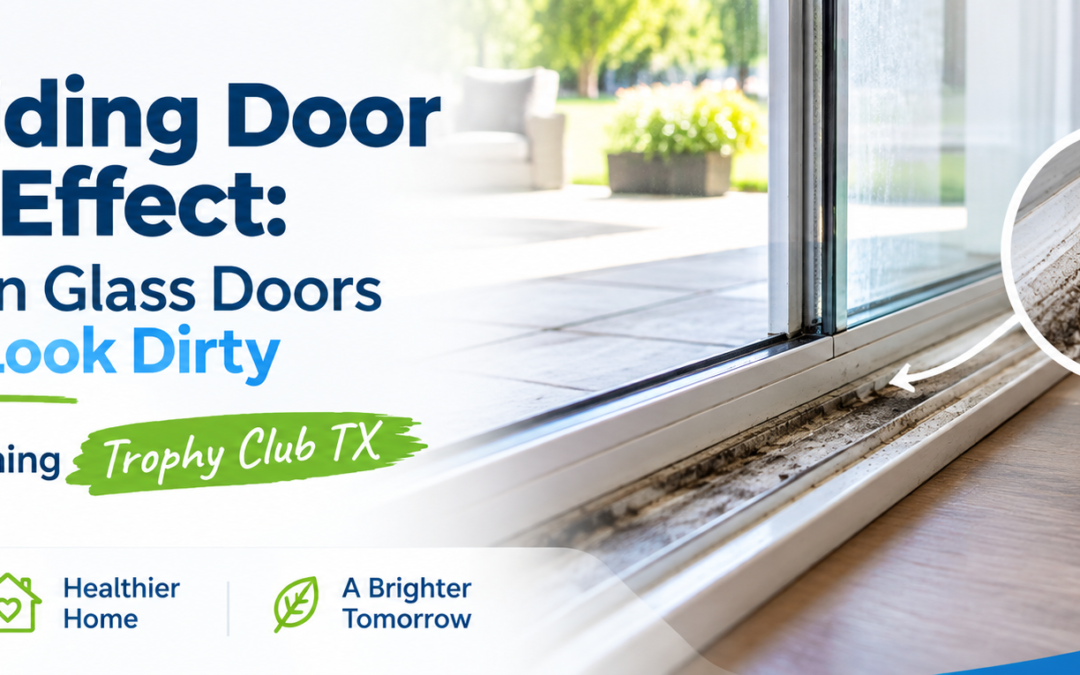
Have you ever cleaned your sliding glass doors until the glass sparkled, only to notice that the entire doorway still looks dirty? The problem may not be the glass at all. Hidden inside the narrow tracks beneath sliding doors, dirt, pet hair, outdoor debris, and sticky residue can collect until the entire area looks neglected. For homeowners looking for House Cleaning Trophy Club TX, understanding this overlooked cleaning problem can help keep sliding doors looking spotless, functioning smoothly, and welcoming throughout the home.
Sliding glass doors are designed to connect indoor living spaces with patios, backyards, balconies, and outdoor entertainment areas. Because they are used frequently, they are constantly exposed to changing conditions. People walk in and out, pets move between the house and the yard, and outdoor air carries dust, pollen, and small particles toward the doorway. Every time the door slides open or closed, some of that debris can find its way into the narrow track.
Unlike the glass, which is easy to see and wipe down, the track sits low to the ground and contains tight corners that are difficult to reach. Dirt can become trapped beneath the door panel, along the edges, and around the rollers. Even when the glass looks clean, a dirty track can create an unpleasant contrast that makes the entire doorway appear unfinished.
The good news is that this problem can be addressed with a consistent cleaning routine. By understanding how debris enters sliding door tracks, why it becomes difficult to remove, and which cleaning techniques work best, homeowners can prevent buildup before it becomes a stubborn mess.
What Is the Sliding Door Track Effect?
The sliding door track effect describes the way dirt and debris hidden inside a sliding glass door’s track can make an otherwise clean doorway look dirty. The glass may be free of fingerprints and water spots, but the dark, dusty channel underneath can still attract attention.
This happens because the track acts like a narrow collection area. Its shape creates small spaces where particles can settle, while the door’s movement can push existing debris into corners or compact it along the edges.
Over time, the track may collect several types of material, including:
- Fine dust and outdoor soil.
- Pet hair and human hair.
- Grass clippings, leaves, and tiny plant fragments.
- Pollen and other outdoor particles.
- Small pieces of gravel or sand.
- Sticky residue from moisture, oils, and everyday dirt.
The exact combination depends on the household, the surrounding landscape, the amount of foot traffic, and how frequently the door is used.
Why a Clean Door Can Still Look Dirty
Glass is a prominent visual surface. When it is cleaned, fingerprints, smudges, and dust disappear, creating an immediate improvement.
However, people tend to notice the entire doorway rather than the glass alone. A dark track, dirty bottom frame, or dusty corner can make the surrounding area look less clean even when the main surface shines.
The contrast becomes especially noticeable with white, silver, or light-colored door frames. Dark dirt inside the track stands out against the clean finish, making the buildup look more severe than it might appear on a darker frame.
For homeowners comparing Trophy Club cleaning services, this is a useful reminder that a complete cleaning routine should consider both visible surfaces and the smaller areas surrounding them.
How Dirt and Outdoor Debris Enter Sliding Door Tracks
Sliding doors sit at the boundary between indoor and outdoor environments. That location makes them particularly vulnerable to dirt.
Unlike a window that remains closed most of the time, a sliding patio door may open dozens of times throughout the day. Each opening creates an opportunity for particles to move inside.
Foot Traffic Carries Dirt Toward the Doorway
Shoes can carry sand, soil, dried mud, grass, and other particles from outdoor surfaces into the home. Even when people remove their shoes indoors, debris may already have fallen near the threshold.
Some particles settle directly into the track, while others are pushed toward the doorway by foot movement, sweeping, or ordinary air circulation.
Homes with patios, gardens, pools, or frequently used outdoor entertainment areas may experience more debris around their sliding doors because the threshold connects two active spaces.
Wind Blows Fine Particles Indoors
Outdoor dust does not need to enter on someone’s shoes. Wind can carry fine particles toward an open sliding door, especially during dry weather or when nearby landscaping produces dust.
Pollen, dried soil, and small plant fragments can settle along the bottom frame. Because the track contains recessed areas, these particles may remain there long after nearby floors have been vacuumed.
Opening a sliding door for fresh air can therefore introduce debris even when the surrounding patio looks clean.
Landscaping Can Increase Track Buildup
The area immediately outside the door also affects how quickly dirt accumulates.
Grass near the threshold may release clippings, while nearby trees and shrubs can contribute leaves, seeds, pollen, and other organic material. Gravel patios and unpaved walkways may send small stones and loose soil toward the doorway.
Keeping the exterior threshold reasonably clear can reduce the amount of debris that enters the track. However, outdoor maintenance alone will not eliminate the dust and hair that collect inside the channel.
Why Pet Hair Becomes Trapped Inside Sliding Door Tracks
Pet hair is one of the most common reasons sliding door tracks become difficult to clean. Unlike loose dust, which can often be removed with a quick pass of a vacuum, hair tends to catch on small edges and collect in corners.
When a dog or cat frequently moves between indoor and outdoor spaces, loose fur can fall near the doorway and travel into the track.
Hair Collects Around Corners and Rollers
Sliding door tracks contain narrow channels, raised edges, and moving components. These features can trap strands of hair that would otherwise be easy to pick up from a flat floor.
As the door moves, loose hair may become pushed against the track’s edges or tangled around accessible roller areas. Additional dust and dirt can attach to the hair, forming small clumps that are harder to remove.
Long hair can wrap around components, while shorter fur may collect in thin layers along the channel.
This is why simply wiping the top of the track often fails to solve the problem. The visible surface may look cleaner, but hair can remain hidden in the corners and around the door’s moving parts.
Pet Hair Can Combine With Dust and Moisture
Hair does not always remain dry and loose. If moisture enters the track from rain, wet shoes, condensation, or routine cleaning, the debris may clump together.
These clumps can hold onto fine dirt and become more difficult to vacuum away. In some cases, the buildup may look like a dark, sticky line rather than a collection of individual hairs.
For households with shedding pets, frequent dry removal is especially useful. Removing hair before it mixes with moisture and dirt helps prevent the track from becoming a compacted collection of debris.
The Hidden Problem With Sand, Grit, and Small Stones
Fine grit is another major contributor to sliding door track buildup. Sand and tiny stones can enter from outdoor walkways, patios, landscaping, and shoes.
Because the track is narrow, these particles have limited room to move. They can settle into corners or remain beneath the sliding panel, where they are difficult to see during everyday cleaning.
Why Grit Can Affect Door Movement
Sliding doors depend on a track and roller system that allows the panel to move along a defined path. When loose grit collects in the channel, it can interfere with smooth movement.
You may notice that the door begins to feel rough, makes unusual noises, or requires more effort to open and close.
These symptoms do not automatically mean the track is damaged. However, they can indicate that debris needs to be removed or that the door’s rollers and alignment need attention.
Avoid forcing a door that suddenly becomes difficult to move. Excessive pressure can potentially worsen a mechanical problem.
How Grit Becomes Compact and Difficult to Remove
Loose particles are usually easier to remove before they are pressed into corners or mixed with other residue.
Repeated door movement can push grit into narrow sections of the track. When dust, moisture, and oily residue join the mixture, the particles may form a stubborn layer that cannot be removed with a simple wipe.
Using a vacuum with a narrow attachment can help remove loose debris before it becomes compacted. A soft brush can loosen particles in accessible corners, allowing them to be collected more effectively.
Avoid scraping the track aggressively with metal tools, which may scratch the finish or damage nearby components.
Why Dust and Sticky Residue Build Up Inside Narrow Tracks
Not all sliding door track dirt comes from outdoors. Indoor dust, household oils, and cleaning residue can also contribute to buildup.
Fine particles move throughout the home as people walk, air circulates, and soft furnishings release dust. Some of these particles eventually settle near doorways.
Dust Settles in Areas That Are Rarely Disturbed
Although the door moves regularly, many parts of the track remain difficult to reach. The narrow channel beneath the panel may collect dust without being disturbed during routine sweeping or mopping.
A standard floor-cleaning routine may remove debris from the surrounding tile, hardwood, or laminate while leaving the track untouched.
This creates a familiar pattern: the floor looks clean, the glass is clear, but a dark line remains underneath the door.
Moisture Can Turn Loose Dirt Into Grime
Water and moisture can make track cleaning more complicated. Rain entering beneath a poorly sealed door, damp shoes, condensation, or excessive cleaning liquid can combine with dirt and create a sticky film.
Household residue may also include oils transferred from hands, pets, or nearby surfaces. When these substances mix with dust, the result can cling to the track instead of brushing away easily.
Adding more water is not always the answer. Excess liquid can push debris deeper into narrow spaces and may remain trapped in areas that are difficult to dry.
The better approach is to remove loose material first, then use a small amount of an appropriate cleaning solution when necessary.
How to Clean Sliding Door Tracks Without Damaging Them
Cleaning a sliding door track does not need to be complicated, but the order of the steps matters. Removing loose debris before introducing moisture makes the process easier and helps prevent dirt from turning into a muddy residue.
Step 1: Open the Door and Inspect the Track
Slide the door open as far as it can safely go to expose the accessible sections of the track.
Look for pet hair, loose soil, small stones, leaves, and compacted dirt. Pay attention to corners and areas near the door panel where debris may be hidden.
Do not remove the door panel unless you have the necessary experience and assistance. Sliding glass doors can be heavy, and improper removal may cause injury or damage.
Step 2: Vacuum Loose Dirt and Hair
Use a vacuum cleaner with a narrow crevice attachment to remove loose particles from the channel.
Move slowly along the track, paying particular attention to corners and areas where hair has collected. If the track contains larger debris, remove it carefully by hand when safe to do so.
A soft brush can help loosen dry dirt from accessible edges. Follow with the vacuum to collect the material instead of pushing it deeper into the channel.
This dry-cleaning step is particularly important for homes with pets or doors that open directly onto gardens and patios.
Step 3: Loosen Stubborn Debris With a Soft Brush
For dirt that remains after vacuuming, use a soft-bristled brush or a suitable small cleaning brush.
Gently work along the track’s edges and corners. Avoid sharp metal objects, abrasive pads, or excessive pressure that could damage the finish.
If hair is wrapped around an accessible component, remove it carefully without pulling on the roller mechanism or forcing any moving part.
Step 4: Wipe the Track With a Lightly Damp Cloth
After loose debris has been removed, dampen a microfiber cloth with a small amount of water and an appropriate mild cleaner if needed.
Wipe the accessible surfaces, changing to a clean section of cloth as dirt transfers onto it. For tight corners, use a small soft brush or another suitable tool that can reach the area without scratching it.
Avoid pouring water directly into the track. Some door systems have drainage openings or components that should not be flooded.
Step 5: Remove Residue and Dry the Area
Use a clean, lightly damp cloth to remove remaining cleaning solution where necessary. Then dry the accessible surfaces thoroughly with a soft cloth.
Check the track for remaining hair, grit, and sticky residue. If buildup persists, repeat gentle cleaning rather than scraping aggressively.
Before applying any lubricant, check the door manufacturer’s recommendations. Not all products are suitable for every roller or track system, and some lubricants can attract additional dust.
Step 6: Check the Door’s Movement
Once the track is clean and dry, slide the door carefully to see whether it moves smoothly.
If it still sticks, grinds, or feels unusually heavy, the problem may involve worn rollers, misalignment, or another mechanical issue. A professional door technician may need to inspect it.
Cleaning can remove debris, but it cannot correct every hardware problem.
How Often Should Sliding Door Tracks Be Cleaned?
The ideal cleaning frequency depends on how often the door is used and how much debris enters the home.
For a household with pets, children, or frequent patio access, checking the tracks weekly can help prevent hair and grit from accumulating. Homes with less foot traffic may need less frequent detailed cleaning, although periodic inspections are still worthwhile.
A simple maintenance routine can include:
- Weekly: Check for visible pet hair, sand, and loose debris.
- Every two to four weeks: Vacuum the track thoroughly and wipe accessible surfaces as needed.
- Seasonally: Inspect the full accessible track, surrounding frame, and threshold for stubborn buildup or signs of wear.
- After storms or outdoor projects: Remove newly introduced leaves, mud, and grit before they become compacted.
These are practical starting points rather than strict rules. Adjust the schedule based on how quickly the track becomes dirty.
Regular attention is easier than waiting until the channel contains thick layers of compacted debris.
Common Sliding Door Track Cleaning Mistakes to Avoid
A few well-intentioned cleaning habits can make the job more difficult or potentially damage the door.
Using Too Much Water
Flooding the track can push dirt into inaccessible areas and leave moisture behind. Use a lightly damp cloth instead of pouring water into the channel.
Wiping Before Removing Loose Debris
Wiping a track full of dry dirt and pet hair can spread particles across the surface and create a muddy mixture. Vacuum first, then clean.
Scraping With Sharp Objects
Knives, screwdrivers, and other sharp tools may scratch the track or damage seals and nearby components. Use tools designed for gentle cleaning.
Ignoring the Corners
Cleaning only the visible middle section leaves much of the debris behind. Work along the full accessible length, including corners and edges.
Applying the Wrong Lubricant
Some products can leave a sticky film that attracts dust and grit. Use only products recommended for the specific door system, and never assume that an oil-based product is suitable.
When Professional House Cleaning Can Help
Sliding door tracks are small, but cleaning them properly can take more time than expected. Hair becomes tangled, grit hides in narrow channels, and sticky residue may require several careful passes.
For homeowners seeking maid service Trophy Club TX, it is worth asking whether detailed track cleaning is included in the service. Routine house cleaning packages vary, and some providers treat detailed track work as an additional task.
A deep cleaning Trophy Club TX service may be helpful when sliding doors are part of a larger buildup of neglected areas, such as baseboards, window tracks, corners, and hard-to-reach surfaces.
Professional cleaners can help remove accessible dust and debris, clean surrounding frames, and address the small details that influence the appearance of an entire room. They can also identify situations where the issue may be beyond routine cleaning, such as damaged seals, standing water, or a door that no longer slides correctly.
When comparing professional cleaners Trophy Club, ask about the scope of service, the cleaning tools used, and any limitations involving delicate finishes or mechanical components.
The goal is not simply to make the glass shine. It is to make the entire doorway look cared for while helping the door remain clean and functional.
Other Overlooked Areas Around Sliding Glass Doors
A sliding door track is only one part of the doorway that can collect dirt. The surrounding frame and threshold can also affect how clean the space looks.
Bottom Door Frames
The lower frame often collects dust, fingerprints, pet marks, and splashes from outdoor moisture. Wiping it alongside the track helps create a more consistent appearance.
Door Seals and Accessible Edges
Rubber seals and accessible edges may collect fine dust and hair. Clean these gently with a suitable cloth, avoiding excessive force that could loosen or damage them.
Nearby Baseboards and Floors
Debris often settles along the baseboards and floor edges near frequently used doors. Vacuuming these areas helps prevent loose dirt from being pushed back toward the track.
Exterior Thresholds
Cleaning the accessible exterior threshold can reduce the amount of soil and plant debris carried inside. Sweep patios and nearby walkways as needed, especially when landscaping or weather conditions increase the amount of loose material.
Paying attention to these connected areas helps keep the entire entrance looking cleaner rather than focusing on the glass alone.
Final Thoughts: Keep Your Sliding Doors Truly Clean With House Cleaning Trophy Club TX
Clean glass does not always mean a clean sliding door. Hidden inside narrow tracks, pet hair, outdoor debris, sand, dust, and sticky residue can accumulate until the doorway looks dirty and the door may become harder to operate.
The Sliding Door Track Effect is a reminder that small, overlooked spaces can have a noticeable impact on the cleanliness of a home. By removing loose debris before wiping, using gentle cleaning tools, limiting excess moisture, and following a regular maintenance schedule, homeowners can keep tracks cleaner and reduce stubborn buildup.
For homeowners looking for House Cleaning Trophy Club TX, including sliding door tracks in the regular cleaning routine can make a difference in how polished and comfortable the home feels. A sparkling glass panel deserves a clean frame, a clear threshold, and a track free of trapped dirt.
Let All Star Maids Handle the Details! From everyday dust to those narrow spaces that are easy to forget, consistent attention to the small things helps create a cleaner home from one room to the next.
Contact us at 817–577–9977 or visit https://allstarmaids.com/ to book your service.