

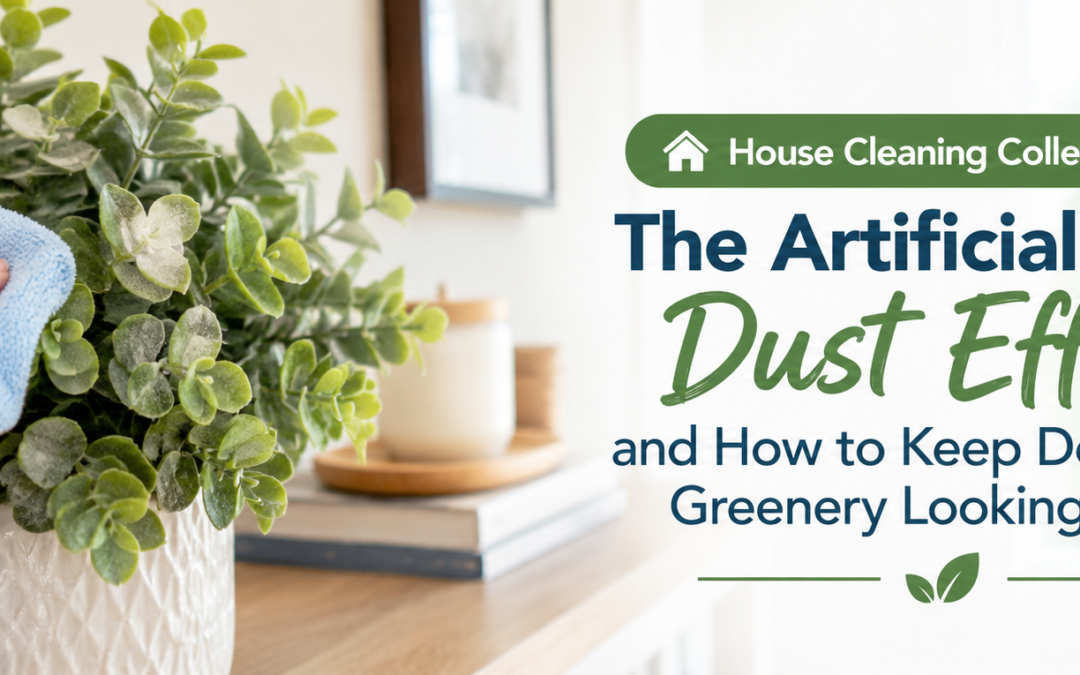
Artificial plants are an easy way to bring color, texture, and a natural feel into a home or office without the regular watering and maintenance that real plants require. However, even though they do not need sunlight or fertilizer, artificial leaves still collect dust, airborne particles, and everyday debris. Over time, this buildup can make decorative greenery look dull and cause an otherwise tidy room to feel less fresh. With the right House Cleaning Colleyville TX routine, homeowners can keep artificial plants looking attractive while protecting the delicate materials that make them realistic.
From small succulents on a coffee table to large artificial trees in an entryway, decorative greenery often sits in the same place for months. Because it is not always part of a regular cleaning checklist, dust can accumulate gradually without attracting much attention. A quick glance may not reveal the buildup, but natural light shining through a window can make dusty leaves surprisingly noticeable.
Maintaining artificial plants does not have to involve complicated products or time-consuming techniques. Understanding where dust collects, how different materials respond to cleaning, and when to include decorative items in a regular maintenance routine can make a noticeable difference.
For homeowners looking for dependable Colleyville cleaning services, paying attention to overlooked decorative details is one way to achieve a more complete clean. A room feels better maintained when the visible surfaces, hidden corners, and decorative accents all receive appropriate care.
Understanding the Artificial Plant Dust Effect in Colleyville Homes
The artificial plant dust effect occurs when decorative greenery gradually collects airborne particles until its leaves, stems, and textured surfaces lose their original appearance. Unlike natural plants, artificial greenery does not grow new leaves or change naturally with the seasons. Dust that settles on the surface remains there until someone removes it.
This makes artificial plants easy to overlook. They do not wilt, drop leaves regularly, or signal that they need attention. Their appearance can slowly change without homeowners noticing.
Why Artificial Leaves Collect Dust
Dust moves throughout indoor spaces as people walk, HVAC systems circulate air, doors open, and fabrics release fibers. Eventually, some of those particles settle on stationary objects.
Artificial plants have several characteristics that make them especially likely to collect visible dust:
- Broad leaf surfaces: Large artificial leaves provide plenty of room for airborne particles to settle.
- Textured finishes: Raised veins, ridges, and realistic surface patterns can trap fine debris.
- Overlapping foliage: Closely grouped leaves create narrow spaces that are difficult to reach during quick cleaning.
- Static-prone materials: Certain synthetic leaves can attract and retain lightweight dust.
- Permanent placement: Plants that remain on shelves or in corners may go untouched for weeks or months.
A plant placed near an air vent, frequently used doorway, or busy hallway may need attention sooner than one in a quiet guest room.
How Dust Changes the Appearance of a Room
Artificial greenery is often selected because it adds color and visual interest. When dust settles on the leaves, however, the plant can lose some of that appeal.
Dark green foliage may develop a grayish appearance. Glossy leaves can look cloudy instead of polished, while lighter-colored decorative plants may develop uneven patches of dust that are particularly noticeable in sunlight.
These changes can affect the overall impression of a room. Even when countertops, floors, and furniture are clean, dusty decorations can make the space appear neglected.
This is one reason professional house cleaning Colleyville Texas routines should consider decorative items alongside more obvious surfaces. Cleanliness involves more than removing visible dirt from floors and counters; it also includes maintaining the smaller details that contribute to a room’s overall appearance.
Which Artificial Plants Need the Most Attention?
Not every artificial plant collects dust at the same rate. The size, shape, material, location, and complexity of the arrangement all influence how often cleaning is necessary.
Large Artificial Trees and Floor Plants
Large artificial trees are popular in entryways, living rooms, reception areas, and office corners. Their height and extensive foliage allow them to make a strong visual statement, but they also create more surface area for dust to collect.
Upper branches can be difficult to inspect, particularly when the plant is positioned against a wall or near a high ceiling. Lower leaves may collect additional debris from foot traffic and nearby furniture.
During routine cleaning, inspect the plant from several angles rather than focusing only on the front-facing leaves.
Small Plants on Shelves and Tables
Miniature artificial succulents, potted greenery, and decorative arrangements often sit on coffee tables, bookshelves, desks, and bathroom counters.
Because these items are small, they may seem easy to maintain. However, their proximity to other objects can make thorough cleaning difficult.
Dust may accumulate between the pot and the surface beneath it, along the rim of the container, and between closely packed leaves. Moving the arrangement temporarily allows the surrounding surface to be cleaned as well.
Artificial Plants with Delicate or Textured Leaves
Some decorative plants feature thin fabric leaves, flocked finishes, painted details, or unusually realistic textures. These materials may be more sensitive to moisture and friction than ordinary plastic foliage.
Aggressive wiping can flatten fibers, loosen coatings, or change the original finish.
When caring for delicate greenery, the goal should be to remove dust without altering the appearance of the material. Gentle methods and small test areas are especially important.
How to Remove Dust from Artificial Leaves Safely
The best cleaning method depends on the material and construction of the plant. A technique that works well for sturdy plastic foliage may be unsuitable for silk flowers or flocked greenery.
Before cleaning, check the manufacturer’s care instructions whenever they are available.
Step 1: Inspect the Plant Before Cleaning
Begin by examining the leaves, stems, and container. Look for loose attachments, damaged sections, heavy dust, and any areas that appear stained or discolored.
This inspection helps determine whether the plant needs light dusting or more careful attention.
If leaves are already brittle, peeling, or detached, avoid applying unnecessary pressure. Cleaning should not create additional damage.
Step 2: Remove Loose Dust with a Soft Tool
For routine maintenance, a clean microfiber cloth, soft makeup brush, or gentle detailing brush can remove dust from many artificial plants.
Use light strokes rather than pressing firmly against the leaves. Work from the upper sections downward so that loosened dust does not settle onto areas that have already been cleaned.
For larger arrangements, divide the plant into manageable sections. Cleaning one branch at a time makes it easier to reach both sides of the leaves.
A soft brush is particularly useful for plants with many small leaves or intricate shapes.
Step 3: Clean Narrow Spaces Between Leaves
Dust often remains trapped where leaves overlap or connect to stems.
Use a small, soft brush to reach these areas without pulling the foliage apart. Turn the plant gently when possible to inspect the back of the arrangement.
For artificial plants with delicate construction, avoid bending stems repeatedly. Excessive movement can weaken attachment points and change the plant’s shape.
Step 4: Decide Whether Moisture Is Appropriate
Some sturdy artificial plants can tolerate occasional wiping with a slightly damp cloth. Others should remain dry.
If the manufacturer’s instructions permit moisture, test an inconspicuous area first. Use a clean cloth with minimal water, and avoid soaking leaves, glued joints, decorative coatings, or the pot’s interior.
Do not assume that every artificial plant can be rinsed under a faucet or sprayed with a cleaning solution.
Silk, flocked, paper-based, and specialty-finished decorations may require dry cleaning methods or professional care instead.
Step 5: Allow the Plant to Dry Completely
When moisture is appropriate, dry the cleaned sections thoroughly before returning the plant to its usual location.
Lingering moisture can affect certain finishes, adhesives, or decorative materials. It can also encourage unwanted odors if water becomes trapped in a dense arrangement or decorative container.
A patient approach helps preserve both the appearance and the structure of the plant.
Common Artificial Plant Cleaning Mistakes to Avoid
Cleaning decorative greenery seems simple, but the wrong approach can leave residue, damage the finish, or spread dust instead of removing it.
Using Too Much Water
Excess moisture may loosen glued leaves, affect painted surfaces, or damage materials that were never designed to get wet.
Water can also collect inside decorative pots containing foam, moss, fabric, or other materials that are difficult to dry.
Use moisture only when the plant’s care instructions allow it.
Spraying Every Plant with the Same Cleaner
Household cleaners are not universally suitable for synthetic decorations. Strong ingredients, solvents, or abrasive formulations may discolor plastic, strip finishes, or leave a sticky film.
A product intended for glass, countertops, or furniture may not be appropriate for artificial foliage.
If a cleaning product is necessary, confirm that it is suitable for the specific material and test it in a hidden area. In many cases, a soft brush or microfiber cloth is sufficient.
Wiping Too Aggressively
Hard scrubbing may bend leaves out of shape, pull apart delicate stems, or leave visible marks.
Instead of trying to remove heavy buildup in one forceful pass, loosen the dust gently and repeat the process as needed.
For plants with intricate details, patience is more effective than pressure.
Ignoring the Pot and Surrounding Surface
Cleaning only the leaves can leave the arrangement looking unfinished. Decorative pots may collect dust around their rims, bases, and textured surfaces.
The shelf, table, or floor beneath the plant can also develop a dust outline that becomes visible after the arrangement is moved.
A complete cleaning routine should include the plant’s container and the surface underneath it, using materials appropriate for each.
Creating an Artificial Plant Maintenance Routine
A consistent schedule prevents dust from building up to the point where cleaning becomes difficult.
The ideal frequency depends on the environment. Homes with pets, frequent visitors, open windows, or substantial indoor activity may need more frequent dusting than quieter spaces.
Include Artificial Plants in Weekly Dusting
During regular household maintenance, inspect frequently used decorative plants and remove loose dust where necessary.
Pay particular attention to greenery located in living rooms, entryways, kitchens, and home offices.
A few minutes of light dusting each week can reduce the need for more intensive cleaning later.
Perform a More Thorough Inspection Monthly
Once a month, take time to examine plants more carefully.
Check the undersides of leaves, interior branches, pot rims, and areas hidden behind other decorations. Move the plant if needed to clean the surface underneath it.
This is also a good opportunity to check for loose foliage, discoloration, and damaged sections.
Adjust the Routine to the Plant’s Location
Different rooms have different cleaning needs.
- Living rooms: Focus on plants near seating areas, windows, entertainment centers, and frequently used walkways.
- Kitchens: Inspect decorative greenery near cooking areas because airborne grease can combine with dust and create a stubborn film.
- Bathrooms: Consider moisture exposure and avoid wet cleaning methods that could damage sensitive materials.
- Bedrooms: Include bedside greenery and plants on dressers or shelving in the regular dusting routine.
- Home offices: Check desk plants and decorations near computers, printers, and ventilation outlets.
- Entryways: Pay attention to floor plants exposed to frequent movement and outdoor debris.
A flexible schedule helps homeowners maintain decorative items without spending unnecessary time cleaning plants that remain relatively dust-free.
How Artificial Plant Dust Connects to Overall Home Cleanliness
Artificial greenery is only one part of a home’s decorative environment. Dust also settles on picture frames, lampshades, books, furniture edges, shelves, and other stationary objects.
When these details are overlooked, particles can gradually accumulate across multiple surfaces.
This is where a thoughtful maid service Colleyville TX routine can make household maintenance easier. Instead of treating every room as a collection of separate chores, an organized cleaning process addresses related surfaces together.
For example, dusting an artificial plant can be combined with cleaning its shelf, wiping the surrounding furniture, and removing dust from nearby decorative items. This approach reduces repeated work and helps prevent cleaned surfaces from becoming dusty again during the same session.
Why Cleaning from Top to Bottom Helps
Dusting higher surfaces before lower surfaces is a practical way to organize cleaning tasks.
When dust falls from an upper shelf or decorative arrangement, it may settle on furniture or flooring below. Cleaning the lower surfaces afterward helps capture that debris.
For a room containing artificial trees, wall shelves, and tabletop decorations, work through the higher surfaces first, then finish with furniture and floors.
Professional cleaners often use this general principle to make cleaning more systematic and reduce unnecessary repetition.
Keeping Decorative Items Without Creating Extra Clutter
Decorations can make a room feel personal and welcoming, but numerous small objects also increase the number of surfaces that require attention.
Homeowners do not need to remove their favorite artificial plants to simplify cleaning. Instead, consider grouping smaller decorations together, leaving adequate space around larger arrangements, and avoiding overcrowded shelves.
When objects are easier to reach, they are more likely to receive regular maintenance.
Artificial Plants in Homes, Offices, and Commercial Spaces
Artificial greenery is not limited to residential interiors. Businesses frequently use decorative plants to create inviting reception areas, waiting rooms, conference spaces, and customer-facing environments.
However, dusty decorations can affect how well-maintained a professional space appears.
For businesses seeking office cleaning Colleyville TX, decorative maintenance can be a useful addition to a broader cleaning plan. Reception desks, display shelves, conference room furniture, and artificial plants all contribute to the appearance of the workplace.
Commercial interiors may also contain large arrangements that are difficult for employees to clean consistently. Establishing clear maintenance responsibilities helps prevent decorative items from being forgotten.
Residential Cleaning Considerations
In homes, artificial plants are often placed where families spend time together. Keeping these decorations clean can improve the room’s overall appearance and support a more consistent dusting routine.
Homeowners who need assistance with larger tasks may consider residential cleaning Colleyville services as part of their regular household maintenance.
Commercial Cleaning Considerations
Businesses may have more decorative greenery than a typical home, especially in reception areas and shared spaces.
A practical cleaning plan should identify which plants can be safely dusted, which require special care, and which are too delicate to handle without specific instructions.
Clear expectations help protect decorative investments while maintaining a professional appearance.
When Professional Cleaning Services Can Help
Some artificial plants are easy to maintain with a microfiber cloth. Others are large, delicate, or positioned in locations that make cleaning difficult.
Professional assistance may be useful when decorative maintenance is part of a larger household cleaning need.
A dependable cleaning company Colleyville TX can help maintain accessible surfaces, remove dust from surrounding furniture, and address other areas that contribute to the overall appearance of a room.
Regular Cleaning for Busy Households
Busy families may struggle to keep up with recurring dusting, vacuuming, bathroom maintenance, and kitchen cleaning.
A scheduled recurring cleaning Colleyville service can help establish consistency for the routine tasks that are easy to postpone.
Homeowners can discuss priorities in advance, including accessible decorative items that need gentle dusting and surfaces that require special care.
Deep Cleaning for Accumulated Dust
When dust has accumulated over an extended period, a more detailed cleaning session may be appropriate.
Deep cleaning Colleyville TX can address neglected surfaces and buildup in areas that may not receive attention during routine maintenance. The exact scope depends on the service selected and the condition of the property.
For example, a home may need extra attention around shelving, furniture edges, decorative arrangements, and other overlooked details.
Cleaning Before or After a Move
Moving presents another opportunity to assess decorative items and household belongings.
Before moving into a property, homeowners may want to establish a clean starting point for their furniture and decorations. Before moving out, they may need to prepare the property according to their lease, agreement, or sale requirements.
Depending on the situation, move in cleaning Colleyville TX or move out cleaning Colleyville may help address the property’s broader cleaning needs.
Artificial plants should be cleaned and packed carefully so dust does not transfer to other belongings during transportation.
Choosing the Right Cleaning Service in Colleyville
Finding a suitable cleaning provider involves more than comparing prices. Homeowners should consider the property’s needs, the scope of work, scheduling preferences, and how carefully different surfaces and materials will be handled.
When evaluating professional cleaners Colleyville, ask what the service includes and whether decorative dusting is part of the agreed scope.
Match the Service to the Property
Different properties may require different cleaning arrangements.
A small apartment may benefit from a straightforward maintenance plan, while a large home with extensive decorative displays may need additional time for dusting and detail work.
Customers comparing apartment cleaning Colleyville options should confirm which rooms and surfaces are included rather than assuming every decorative item will automatically receive individual attention.
For larger homes, a maid service Colleyville TX can be discussed according to the size of the property and the desired cleaning frequency.
Consider Specialized Cleaning Needs
Not every cleaning task falls within the scope of routine housekeeping.
For example, carpet cleaning Colleyville TX may be appropriate when flooring needs specialized treatment. Post construction cleaning Colleyville may be necessary after renovation work leaves fine dust and debris throughout a property.
These services address different needs from ordinary decorative dusting, so it is important to select the appropriate service for the situation.
Balance Reliability, Scope, and Cost
Homeowners often compare several providers before making a decision. When researching affordable maid service Colleyville, consider the full service description, scheduling terms, and any additional charges rather than focusing on the lowest advertised price alone.
Look for reliable house cleaning services in Colleyville that communicate clearly about the tasks they perform and the materials or surfaces that require special handling.
Reading service descriptions and asking questions beforehand can help you determine whether a provider is a suitable fit.
Making Artificial Greenery Part of a Healthier-Looking Home
Artificial plants can remain attractive for years when they receive appropriate care. The key is to treat them as decorative surfaces that require occasional maintenance rather than permanent, maintenance-free accessories.
Start with gentle dust removal, follow the manufacturer’s care instructions, and avoid using excessive moisture or unsuitable cleaning products. Include the plant’s container and surrounding surface in the process, and adjust the schedule according to the location and amount of buildup.
A few simple habits can make decorative greenery look brighter and help the entire room feel more orderly.
For homeowners seeking House Cleaning Colleyville TX, the artificial plant dust effect is a reminder that the smallest details can influence the finished appearance of a home. Clean floors and countertops matter, but so do the decorations, shelves, and overlooked surfaces that bring a space together.
Whether you maintain your home independently or work with a cleaning professional, a consistent approach to dusting helps preserve your decorative items and keeps everyday spaces looking cared for. With thoughtful maintenance and the right cleaning methods, artificial greenery can continue adding color and character without becoming an overlooked dust collector.
Contact us at 817–577–9977 or visit https://allstarmaids.com/ to book your service.