

A Homeowner’s Guide for Euless, TX
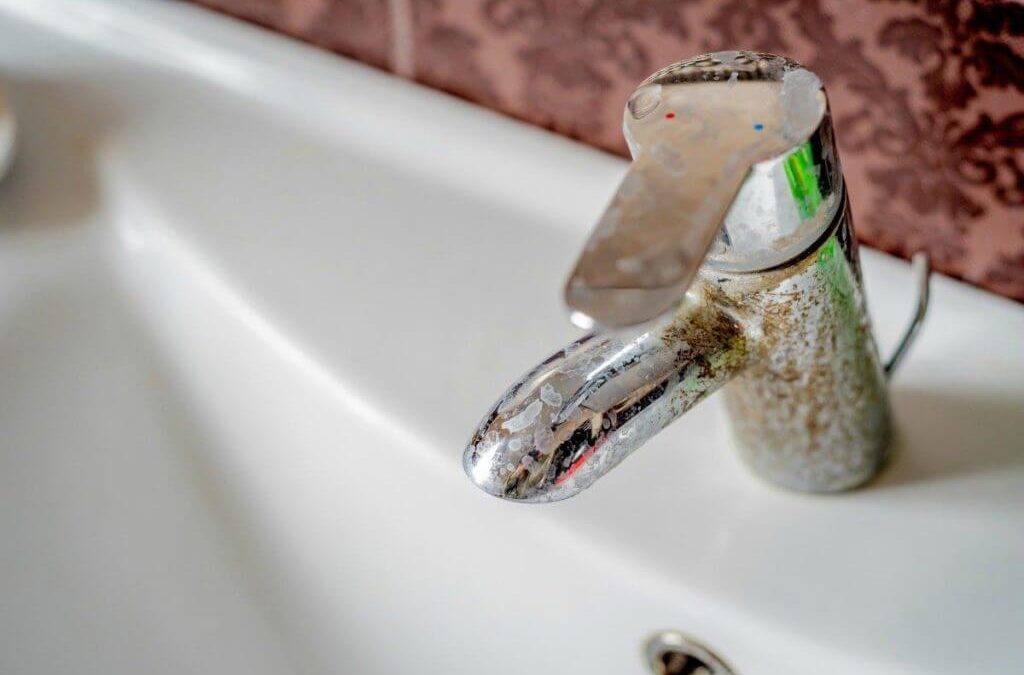
If you live in Euless, Texas, you’ve probably noticed chalky white stains around your sink faucet, drain, or basin that seem almost impossible to remove. No matter how often you wipe the sink down, those stubborn marks keep coming back. That’s not dirt — it’s calcium buildup, and it’s one of the most common household issues caused by hard water in the DFW area.
Calcium deposits don’t just make your sink look dirty. Over time, they can clog faucets, reduce water flow, damage finishes, and even shorten the life of your plumbing fixtures. The good news? Calcium buildup can be cleaned and prevented with the right approach.
In this guide, we’ll break down what causes sink calcium buildup, how to remove it safely, how to fix severe mineral deposits, and how homeowners in Euless can prevent it from coming back.
What Is Calcium Buildup and Why Does It Happen?
Calcium buildup, often called limescale Euless TX, forms when hard water evaporates and leaves behind minerals like calcium and magnesium. Euless and surrounding cities rely heavily on groundwater sources that naturally contain high mineral levels, which makes hard water a common issue in local homes.
When water splashes around your sink and dries, it leaves behind:
- White, chalky residue
- Cloudy spots on stainless steel or porcelain
- Crusty buildup around faucet bases and handles
- Hard rings inside the sink bowl
Over time, these deposits harden and bond to surfaces, making them harder to remove with regular soap and water.
Common Areas Where Calcium Builds Up in Sinks
Before cleaning, it helps to know where calcium buildup Euless usually hides:
- Around the base of the faucet
- On aerators and faucet heads
- Inside the sink drain
- Along the rim and basin
- On soap dispensers and handles
- Around overflow holes
Ignoring these areas allows mineral deposits to thicken and eventually cause plumbing or fixture damage.
How to Clean Light Calcium Buildup in Your Sink
If the buildup is still mild, you can remove it using simple household products without damaging your sink.
White Vinegar Method (Most Effective)
White vinegar is acidic enough to dissolve calcium safely.
What you’ll need:
- White distilled vinegar
- Microfiber cloth or paper towels
- Old toothbrush
Steps:
- Soak a cloth or paper towel in vinegar.
- Wrap it around the affected area.
- Let it sit for 20–30 minutes.
- Scrub gently with a toothbrush.
- Rinse thoroughly and dry.
This method works well on porcelain, stainless steel, and chrome fixtures commonly found in Euless homes.
Baking Soda Paste for Stubborn Spots
For areas that won’t budge with vinegar alone:
- Mix baking soda with a small amount of water to form a paste.
- Apply directly to the calcium buildup.
- Let sit for 10–15 minutes.
- Scrub gently.
- Rinse and dry.
Avoid using abrasive pads that can scratch sink surfaces.
How to Fix Heavy Calcium Buildup on Sink Faucets
When calcium buildup has been ignored for months or years, it may clog the faucet or reduce water pressure.
Cleaning a Faucet Aerator
Low water pressure is often caused by mineral buildup inside the aerator.
Steps:
- Unscrew the aerator from the faucet tip.
- Soak it in white vinegar for 1–2 hours.
- Use a toothbrush or toothpick to remove debris.
- Rinse and reinstall.
This quick fix often restores normal water flow immediately.
Deep Cleaning Faucet Bases
For thick, crusted deposits:
- Soak paper towels in vinegar
- Wrap tightly around the faucet base
- Cover with plastic wrap to prevent drying
- Leave overnight
In the morning, scrub gently and rinse. This method works extremely well for older sinks in Euless homes with hard water exposure.
How to Remove Calcium Buildup Inside the Sink Drain
Calcium doesn’t just sit on the surface — it builds up inside drains too.
Drain Cleaning Method
- Pour 1 cup of white vinegar down the drain.
- Let it sit for 30 minutes.
- Flush with hot water.
- Repeat if needed.
If the drain is slow or smells unpleasant, mineral buildup may be contributing to the problem.
What Not to Use When Cleaning Calcium Buildup
Many homeowners damage their sinks by using the wrong products.
Avoid:
- Steel wool
- Harsh chemical drain cleaners
- Abrasive powders
- Bleach (ineffective against calcium)
These products can scratch finishes, discolor surfaces, and weaken plumbing components.
How to Prevent Calcium Buildup in Your Sink
Cleaning calcium is one thing — preventing it saves time and frustration.
Dry Your Sink Daily
Water spots form when water dries naturally. A quick wipe with a microfiber cloth after use prevents mineral deposits from forming.
Weekly Vinegar Maintenance
Once a week:
- Spray vinegar on faucets and sink surfaces
- Let sit for 5 minutes
- Rinse and dry
This simple habit dramatically reduces buildup.
Install a Water Softener or Filter
Many Euless homeowners invest in water softeners to reduce mineral content throughout the home. Even faucet-mounted filters can help slow buildup in kitchens and bathrooms.
When Calcium Buildup Becomes a Bigger Problem
If calcium buildup is left untreated for too long, it can lead to:
- Permanent staining
- Corroded fixtures
- Leaking faucet bases
- Reduced appliance efficiency
- Costly plumbing repairs
At this stage, deep professional cleaning Euless may be the safest and most effective option.
Why Professional Cleaning Makes a Difference
Professional house cleaners use safe, commercial-grade descaling solutions designed to break down heavy mineral deposits without damaging your sink or fixtures.
For busy homeowners in Euless, TX, professional cleaning ensures:
- No damage to surfaces
- Complete removal of buildup
- Longer-lasting results
- A healthier, cleaner kitchen and bathroom
This is especially helpful before hosting guests, moving, or selling a home.
Final Thoughts: Keeping Your Sink Clean in Euless Homes
Calcium buildup is unavoidable in hard-water areas like Euless, but it doesn’t have to take over your sink. With consistent maintenance, the right cleaning methods, and early attention, you can keep your sink looking clean, polished, and fully functional.
The key is understanding why calcium forms Euless, how to remove it safely, and how to prevent it from returning. Whether you’re dealing with light water spots or years of hardened scale, the right approach makes all the difference.
A clean sink isn’t just about appearance — it’s about protecting your home, your plumbing, and your peace of mind.
Contact us at 817–577–9977 or visit https://allstarmaids.com/ to book your service.https://allstarmaids.com/